
Prevention Before Awakening of Insects
Spring brings rising temperatures and humidity, creating ideal conditions for the hatching and transmission of parasites in farms (such as Ascaris, Sarcoptes scabiei, Coccidia, etc.). Meanwhile, after winter consumption, pig herds are at their annual low point in resistance, significantly increasing the risk of infection. Therefore, conducting systematic deworming in spring is a crucial battle to interrupt parasite transmission chains, protect herd health, and lay the foundation for全年 farming profitability.
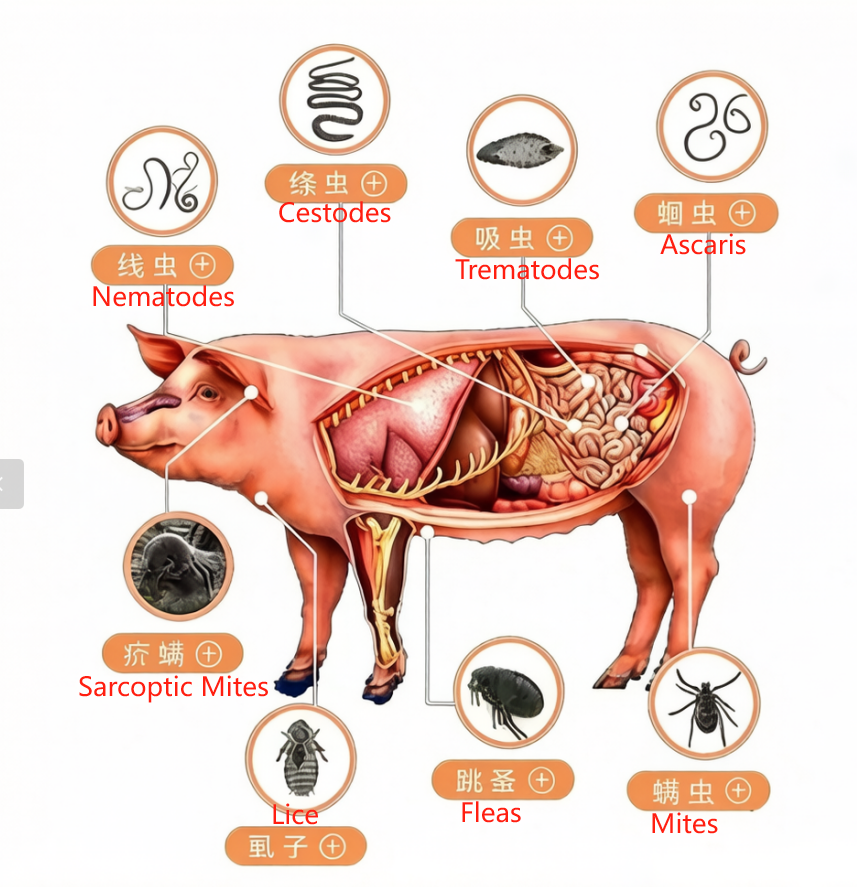
- Zhongnong Huawei Core Deworming Strategy: General Prevention as Foundation, Targeted Action for Critical Points
Xiao Wei recommends adopting a combined model of “seasonal general pest control” and “phased precise deworming” to achieve all-round and seamless coverage.
- Seasonal General Deworming (“Spring and Autumn Dual Prevention”)
It is recommended to conduct two comprehensive deworming sessions for all pigs on the farm annually in spring (March-April) and autumn-winter (October-December). This is the foundational work for large-scale pig farms to control background parasite contamination and reduce overall harm.
- Stage-Specific Precision Deworming
Implement targeted plans based on the specific risks of pigs at different physiological stages to ensure safety during critical farming nodes.
|
Pig Group Category |
Key Deworming Points & Plan |
|
Breeding Boars |
Deworm 4 times per year, i.e., once every 3 months. |
|
Base Sows |
Deworm 15 days before farrowing to prevent vertical transmission. |
|
Piglets – Growing-Finishing Pigs |
First deworming around 10 weeks of age; second deworming when body weight reaches approximately 60 kg. |
|
Purchased Replacement Gilts/Pigs |
Deworm 1–2 weeks after isolation during the quarantine period upon entry. |
Specialized External Parasite Control:
Spray deworming for breeding pigs once monthly.
Deworming once for pre-farrowing sows before entering the farrowing crate.
Ensure thorough environmental disinsection in empty pens before introducing pigs into the farrowing house.
- Dewormer Selection Guide: Target Specifics, High Efficiency Coverage
Choosing broad-spectrum, highly effective dewormers is key to success. Zhongnong Huawei offers multiple products to meet different scenario needs. The core lies in flexible selection based on the target parasite spectrum and pig group characteristics.
|
Product |
Parasite Spectrum |
Usage Plan |
|||
|
Nematodes |
Trematodes |
Cestodes |
Sarcoptes |
||
|
YILIJIA® 0.6% Ivermectin Premix |
√ |
× |
× |
√ |
Group Administration (In-feed):Mix 1 kg per ton of feed for breeding herds, administer for 7 consecutive days.Individual “Bolus” Dose:Administer 10 g orally per sow once, may repeat after 7 days. Recommended dosage based on body weight: Administer 100 g orally per 1000 kg body weight. |
|
WEIDAPANG 5% Fenbendazole Powder |
√ |
√ |
√ |
× |
Growing-Finishing Pigs (In-feed):Mix 1 kg per ton of feed, administer for 7 consecutive days. |
|
SHUANGWEI® 0.25% Ivermectin + 6% Albendazole Premix |
√ |
√ |
√ |
√ |
Group Administration (In-feed):Mix 1 kg per ton of feed for growing-finishing pigs, administer for 7 consecutive days.Individual “Bolus” Dose:Administer 100 g orally per 1000 kg body weight once, may repeat after 7 days. |
|
YANGLIJIA® 0.2% Ivermectin + 5% Albendazole Oxide Powder |
√ |
√ |
√ |
√ |
Group Administration (In-feed): Mix 1 kg per ton of feed for growing-finishing pigs, administer for 7 consecutive days. Individual “Bolus” Dose: Administer 100 g orally per 1000 kg body weight once, may repeat after 7 days. |
|
ALIJIA® 0.5% Avermectin Pour-on Solution |
√ |
× |
× |
√ |
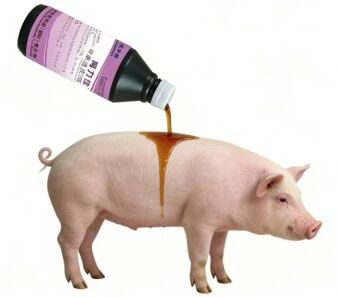
Individual Administration: For single use, pour evenly along the midline of the back. 20 ml per sow. |

III. Four Key Management Points After Deworming: Consolidate Gains, Prevent Recurrence
Post-deworming management is a critical step to ensure lasting effects and must not be ignored.
- Harmless Fecal Treatment:
Feces produced after deworming should be collected and composted to use biological heat to kill parasite eggs in the manure. Special Note: Pig manure collected within 14 days after using Ivermectin-based products is strictly prohibited for use in aquaculture areasto prevent toxicity to aquatic organisms. - Thorough Environmental Disinfection:
Use low-toxicity insecticides, such as pyrethroids, to thoroughly spray pens, walls, floors, and surrounding environments to kill residual parasites and eggs in the environment. - Reduce Pig Stress:
Avoid operations like pen changes, mixing groups, or vaccinations during the deworming period to ensure pigs remain in a stable state and minimize stress. - Intestinal Health Restoration:
Deworming may have some impact on the intestinal mucosa. It is recommended to add Heben^®^ Jianwei San (Stomach Health Powder)or similar products after deworming to help repair the intestinal barrier, achieving the dual goals of “deworming + health care.”
Effective spring deworming is a systematic project. From precise deworming strategies and efficient drug combinations to meticulous health management, Zhongnong Huawei’s full-chain scientific deworming plan safeguards herd health and enhances farming profitability, serving as your solid guarantee on the farming path.